
Dominican Republic (DOM)
People Groups of Dominican Republic:
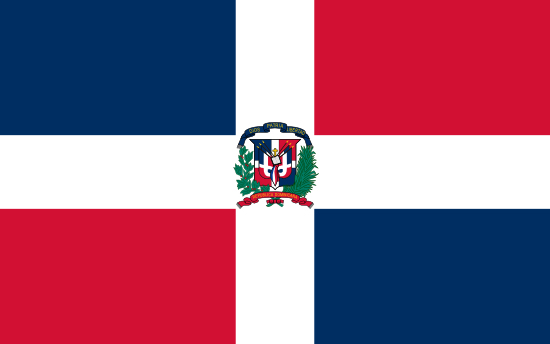
Dominican Republic Fast Facts:
8 People Groups · 11,469K People
| Engagement | Groups | Population |
|---|---|---|
| Unengaged and Unreached | 2 | 6.9K |
| Engaged yet Unreached | 1 | 113K |
| No Longer Unreached | 5 | 11,349K |
Dominican Republic Realities:
- Weighted GSEC
- 6
- Dying Daily
- 197
- Dying Daily Without Christ
- (58.4%) 115
- Birth Rate per 1,000
- 17.7
- Death Rate per 1,000
- 6.4
People Groups of Dominican Republic
Strategic Progress Index
All
8 people groups
| Photo | People Group ID | Name | Country | Population ▼ | Strategic Progress Index | Language | Religion |
|---|---|---|---|---|---|---|---|
 |
PG016313 | Dominicans | Dominican Republic | 10,960,000 | No Longer Unreached | Spanish | Protestantism |
 |
PG016321 | Haitians | Dominican Republic | 279,000 | No Longer Unreached | Haitian | Folk Catholicism |
 |
PG016320 | Deaf Dominicans | Dominican Republic | 113,000 | Engaged yet Unreached | Dominican Sign Language | Roman Catholicism |
 |
PG016327 | White Americans | Dominican Republic | 97,000 | No Longer Unreached | English | Folk Catholicism |
 |
PG016322 | Han Chinese (Cantonese) | Dominican Republic | 12,000 | No Longer Unreached | Yue Chinese | Chinese Folk Religion |
 |
PG016312 | Lebanese | Dominican Republic | 4,600 | Unengaged and Unreached | Levantine Arabic | Sunni Islam |
 |
PG022276 | Japanese | Dominican Republic | 2,300 | Unengaged and Unreached | Japanese | Shinbutsu-Shugo |
 |
PG022409 | Koreans | Dominican Republic | 750 | No Longer Unreached | Korean | Atheism |