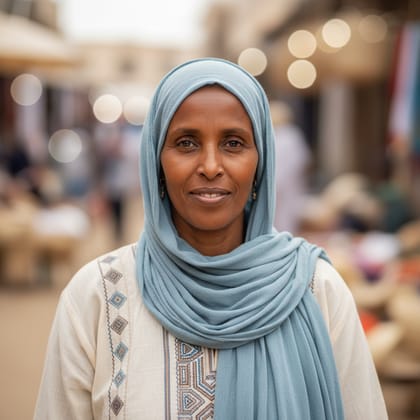
The Bantu Swahili of Somalia

The Bantu Swahili of Somalia, numbering approximately 55,500 people, are Unengaged and Unreached. They are descendants of enslaved Bantu peoples brought from Zanzibar to work Somalia's Shebelle and Jubba River plantations in the 1800s, many of whom escaped from the 1840s onward to form free Gosha forest communities, gaining legal emancipation only in 1903. They mostly adhere to Sunni Islam and Swahili (individual language) is their primary language.

Photo by Google. (2026). Image generated by Gemini 2.5 Flash: Swahili, Bantu

Fast Facts:

Affinity Group: Sub-Saharan African Peoples
Country: Somalia
People Cluster: Bantu, Swahili
Primary Language(s): Swahili (individual language) (swh)
Primary Religion(s): Sunni Islam
Population: 55,500
Strategic Progress Index (SPI): Unengaged and Unreached
Global Status of Evangelical Christianity (GSEC): Less than 2% Evangelical, No Recent CP Activity
People Group ID: PG011942
View on Joshua Project

Pray for the Bantu Swahili of Somalia

Join others around the world in praying for the lost to be saved, the gospel to advance, the global Church to grow, and for laborers to be sent out and sustained in the harvest.

Dig Deeper (Religion):

Primary Religion: Sunni Islam
Religious Affiliation: Islam

75%
%
Sunni Islam Adherents

Dig Deeper (Language):

Primary Language: Swahili (individual language)
Language Family: Atlantic-Congo

100%
%
Swahili Speakers

Media Resources in Swahili (individual language):

Films:
Title Link
JESUS View Film
JESUS View Film
Magdalena View Film
The Savior View Film

4 films

Bible Resources in Swahili (individual language):

Bible Name (Translation) Video Audio Text
Habari Njema (Interconfessional) ✓ ✓

1 entry

Or check out the Swahili (individual language) bible at Bible.com

Linked from YouVersion

Explore Lostness and Next Steps

Unengaged and Unreached

Strategic Priority Index (SPI): Unengaged and Unreached (SPI: 0), which means there are less than 2% evangelical Christian populations among which there are no known efforts focused on establishing self-sustaining churches consistent with evangelical faith and practice.
Lostness Priority Index (LPI): Frontier Unreached People Group, (LPI: 0), < 0.1% Evangelical.
Global Status of Evangelical Christianity (GSEC): Less than 2% Evangelical, No Recent CP Activity (GSEC: 1), this people group is less than 2% evangelical, some evangelical resources are available, but there has been no active church planting among them within the past two years

Next steps for the Bantu Swahili:
Begin signifcant prayer and fasting for this group
Send cross-cultural teams to discover and research this people group
Begin gospel seed sowing and church planting among this group

Pray specifically for the Bantu Swahili of Somalia

For the wrath of God is revealed from heaven against all ungodliness and unrighteousness of men, who by their unrighteousness suppress the truth.
readRomans 1:18

Pray that God will have mercy and open the eyes of those who don't know Jesus, so that they can turn to the One who is able to save them from their sins.

Whenever you enter a town and they receive you, eat what is set before you. Heal the sick in it and say to them, "the kingdom of God has come near to you."
readLuke 10:8-9

Pray that the lost will receive messengers of the gospel with joy, turn from their sins, and be healed.

Continue steadfastly in prayer, being watchful in it with thanksgiving.
readColossians 4:2

Pray that as people place their faith in Christ, they will continue steadfastly in prayer, being watchful in it with thanksgiving, as they bring needs before the Lord.

For God so loved the world, that he gave his only Son, that whoever believes in him should not perish but have eternal life.
readJohn 3:16

Pray that God will send and sustain believers to cross cultures and share the gospel with the lost. Ask that He will give them His heart for the lost and that many will believe in Him and not perish but have eternal life.

Swahili Across Countries (ROP3 - 109644) reported in the following countries:

Strategic Progress Index

All

17 people groups

Photo People Group ID Name Country Population Strategic Progress Index Language Religion ▲
Swahili Swahili Zambia 39,500 No Longer Unreached Swahili (individual language) Ethnoreligion
Swahili Swahili Mozambique 18,500 Engaged yet Unreached Swahili (individual language) Folk Islam
Swahili Swahili Uganda 5,600 Unengaged and Unreached Swahili (individual language) Sunni Islam
Swahili Swahili United States 82,000 No Longer Unreached Swahili (individual language) Sunni Islam
Swahili Swahili Canada 9,300 Unengaged and Unreached Swahili (individual language) Sunni Islam
Coastal Swahili Coastal Swahili Kenya 60,000 Engaged yet Unreached Swahili (individual language) Sunni Islam
Swahili Swahili Seychelles 600 Engaged yet Unreached Swahili (individual language) Sunni Islam
Swahili Swahili Mayotte 10,500 Engaged yet Unreached Swahili (individual language) Sunni Islam
Swahili Swahili Comoros 1,200 Engaged yet Unreached Swahili (individual language) Sunni Islam
Arabized Africans Arabized Africans Saudi Arabia 555,000 Unengaged and Unreached Swahili (individual language) Sunni Islam
Coastal Swahili Coastal Swahili Tanzania 1,095,000 Engaged yet Unreached Swahili (individual language) Sunni Islam
Swahili Swahili Rwanda 21,000 Unengaged and Unreached Swahili (individual language) Sunni Islam
Central Swahili Central Swahili Congo, Democratic Republic of the 64,500 Unengaged and Unreached Swahili (individual language) Sunni Islam
Swahili Swahili Burundi 15,000 Unengaged and Unreached Swahili (individual language) Sunni Islam
Black Africans Black Africans United Arab Emirates 31,000 Engaged yet Unreached Swahili (individual language) Sunni Islam
Swahili Swahili Sudan 34,000 Unengaged and Unreached Swahili (individual language) Sunni Islam
Bantu Swahili Bantu Swahili Somalia 55,500 Unengaged and Unreached Swahili (individual language) Sunni Islam

To download a comprehensive people group list in spreadsheet form, visit our Research Data page.

Peoplegroups.org relies on updates from the field and other organizations for much of our data, so if you have any updates, please contact us. We use various international naming standards. For a list of these standards and fields, visit our Data Standards section.

Scroll to Top