The Santiago de Estero Quichua of Argentina
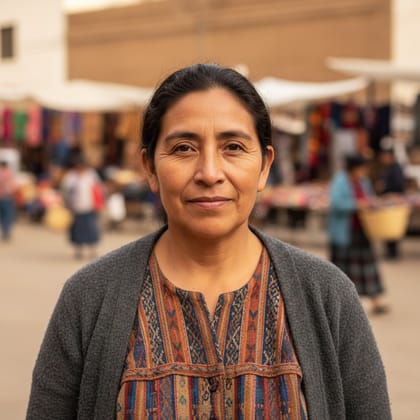
The Santiago de Estero Quichua of Argentina, numbering approximately 60,000 people, are Engaged yet Unreached. They are descendants of Quechua-speaking yanaconas brought from Peru and Chile by Spanish colonists who founded Santiago del Estero, Argentina in 1553, in an area earlier home to the Tonocote and Sanavirona peoples. They mostly adhere to Ethnoreligion and Santiago del Estero Quichua is their primary language.

Photo by Google. (2026). Image generated by Gemini 2.5 Flash: Quichua, Santiago de Estero

Fast Facts:

Affinity Group: Latin American and Caribbean Peoples
Country: Argentina
People Cluster: Quechua
Primary Language(s): Santiago del Estero Quichua (qus)
Primary Religion(s): Ethnoreligion
Population: 60,000
Strategic Progress Index (SPI): Engaged yet Unreached
Global Status of Evangelical Christianity (GSEC): Less than 2% Evangelical, No Recent CP Activity
People Group ID: PG017364
View on Joshua Project

Pray for the Santiago de Estero Quichua of Argentina

Join others around the world in praying for the lost to be saved, the gospel to advance, the global Church to grow, and for laborers to be sent out and sustained in the harvest.

Dig Deeper (Religion):

Primary Religion: Ethnoreligion
Religious Affiliation: Ethnoreligion

85%
%
Ethnoreligion Adherents

Dig Deeper (Language):

Primary Language: Santiago del Estero Quichua
Language Family: Quechuan

50%
%
Quichua, Santiago del Estero Speakers

Media Resources in Santiago del Estero Quichua:

Films:

No film resources are listed for this language.

Bible Resources in Santiago del Estero Quichua:

No Bible resources are listed for this language.

Or check out the Santiago del Estero Quichua bible at Bible.com

Linked from YouVersion

SPI: Unreached yet Engaged

The Santiago de Estero Quichua are Engaged yet Unreached, which means there are less than 2% evangelical Christian populations but there are sustained efforts at establishing self-sustaining churches consistent with evangelical faith and practice.

Next steps for the Santiago de Estero Quichua:
Continue prayer and fasting for this group
Continue gospel seed sowing and church planting among this group
Begin training up local leaders to lead and develop strategies to reach their own people

Pray specifically for the Santiago de Estero Quichua of Argentina

For God did not send his Son into the world to condemn the world, but in order that the world might be saved through him.
readJohn 3:17

Pray for those who are living under the burdens of man-made religion to learn about the freedom Jesus offers them and turn to Him in faith.

As for what was sown on good soil, this is the one who hears the word and understands it. He indeed bears fruit and yields, in one case a hundredfold, in another sixty, and in another thirty.
readMatthew 13:23

Pray that their hearts will have good soil that receives the Word, understands it, and bears fruit for God's kingdom.

Again I say to you, if two of you agree on earth about anything they ask, it will be done for them by my Father in heaven.
readMatthew 18:19

Pray that as people place their faith in Christ, they find other believers to pray with, and that they will trust God to answer their requests according to His will.

O LORD, our Lord, how majestic is your name in all the earth! You have set your glory above the heavens.
readPsalm 8:1

Pray that God will raise up people who love Him and are able and willing to go to and share the hope of the gospel with those who don't know it. Pray that everyone will see His name as majestic in all the earth!

Quichua, Santiago del Estero Across Countries (ROP3 - 108678) reported in the following countries:

Strategic Progress Index
All

1 people group

To download a comprehensive people group list in spreadsheet form, visit our Research Data page.

Peoplegroups.org relies on updates from the field and other organizations for much of our data, so if you have any updates, please contact us. We use various international naming standards. For a list of these standards and fields, visit our Data Standards section.

Scroll to Top