The Midob of Sudan

The Midob of Sudan, numbering approximately 93,500 people, are Unengaged and Unreached. They are a Nubian people of Darfur's Meidob Hills whose traditions claim ancestral rulership in the Nubian civilization reaching back to Egypt, culturally tied to the Mahas and Dongolawi of old Dongola, converting to Islam gradually between the 1600s and 1800s. They mostly adhere to Sunni Islam and Midob is their primary language.

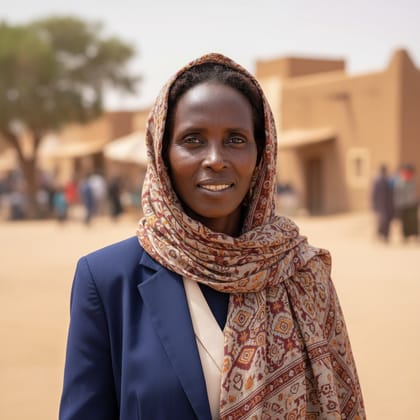
Photo by Google. (2026). Image generated by Gemini 2.5 Flash: Midob

Fast Facts:

Affinity Group: Sub-Saharan African Peoples
Country: Sudan
People Cluster: Nubian
Primary Language(s): Midob (mei)
Primary Religion(s): Sunni Islam
Population: 93,500
Strategic Progress Index (SPI): Unengaged and Unreached
Global Status of Evangelical Christianity (GSEC): No Evangelicals, Churches or Resources
People Group ID: PG012103
View on Joshua Project

Pray for the Midob of Sudan

Join others around the world in praying for the lost to be saved, the gospel to advance, the global Church to grow, and for laborers to be sent out and sustained in the harvest.

Dig Deeper (Religion):

Primary Religion: Sunni Islam
Religious Affiliation: Islam

100%
%
Sunni Islam Adherents

Dig Deeper (Language):

Primary Language: Midob
Language Family: Nubian

100%
%
Midob Speakers

Media Resources in Midob:

Films:

No film resources are listed for this language.

Bible Resources in Midob:

No Bible resources are listed for this language.

Or check out the Midob bible at Bible.com

Linked from YouVersion

Explore Lostness and Next Steps

Unengaged and Unreached

Strategic Priority Index (SPI): Unengaged and Unreached (SPI: 0), which means there are less than 2% evangelical Christian populations among which there are no known efforts focused on establishing self-sustaining churches consistent with evangelical faith and practice.
Lostness Priority Index (LPI): Frontier Unreached People Group, (LPI: 0), < 0.1% Evangelical.
Global Status of Evangelical Christianity (GSEC): No Evangelicals, Churches or Resources (GSEC: 0), there are no evangelical Christians or churches among this people group and there is no access to evangelical print, audio, visual or human resources

Next steps for the Midob:
Begin signifcant prayer and fasting for this group
Send cross-cultural teams to discover and research this people group
Begin gospel seed sowing and church planting among this group

Pray specifically for the Midob of Sudan

Let the peoples praise you, O God; let all the peoples praise you!
readPsalm 67:3

Pray that those who are lost and unaware of God's blessings will come to know Him as the one true God, put their trust in Him, and join in praising Him among the nations.

All the earth worships you and sings praises to you; they sing praises to your name.
readPsalm 66:4

Pray that the good news of Jesus will advance here and that many will bow down and sing praises to His name.

I give them eternal life, and they will never perish, and no one will snatch them out of my hand.
readJohn 10:28

Pray that as people place their faith in Christ, they will have assurance of eternal life, knowing that no one can snatch them out of the loving hand of Jesus.

And if anyone will not receive you or listen to your words, shake off the dust from your feet when you leave that house or town. Truly, I say to you, it will be more bearable on the day of judgment for the land of Sodom and Gomorrah than for that town.
readMatthew 10:14-15

Pray for God to raise up and send out believers to share the gospel with those in this people group who do not yet follow Christ. Pray that they will be welcomed with open arms so that the people they share with will hear and receive the good news with joy.

Midobi Across Countries (ROP3 - 106616) reported in the following countries:

Strategic Progress Index
All

1 people group

To download a comprehensive people group list in spreadsheet form, visit our Research Data page.

Peoplegroups.org relies on updates from the field and other organizations for much of our data, so if you have any updates, please contact us. We use various international naming standards. For a list of these standards and fields, visit our Data Standards section.

Scroll to Top