The Kok Nur Oirat of China

The Kok Nur Oirat of China, numbering approximately 105,000 people, are Engaged yet Unreached. They are a Khoshut Mongol people descended from Western Mongol conquerors who seized central Tibet in the seventeenth century and installed the Fifth Dalai Lama as ruler, later losing their autonomy after an unsuccessful 1724 revolt against the Qing dynasty. They mostly adhere to Mahayana Buddhism and Kalmyk is their primary language.

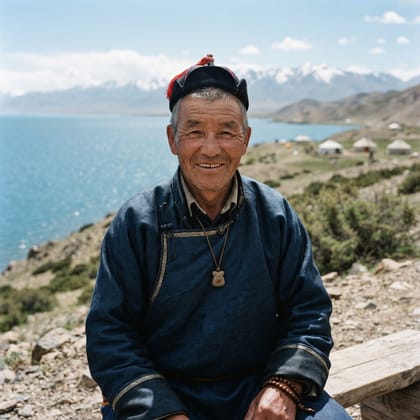
Photo by Google. (2026). Image generated by Gemini 3.1 Flash-Lite: Oirat, Kok Nur

Fast Facts:

Affinity Group: East Asian Peoples
Country: China
People Cluster: Mongolian
Primary Language(s): Kalmyk (xal)
Primary Religion(s): Mahayana Buddhism
Population: 105,000
Strategic Progress Index (SPI): Engaged yet Unreached
Global Status of Evangelical Christianity (GSEC): Less than 2% Evangelical, No Recent CP Activity
People Group ID: PG046926
View on Joshua Project

Pray for the Kok Nur Oirat of China

Join others around the world in praying for the lost to be saved, the gospel to advance, the global Church to grow, and for laborers to be sent out and sustained in the harvest.

Dig Deeper (Religion):

Primary Religion: Mahayana Buddhism
Religious Affiliation: Buddhism

99%
%
Mahayana Buddhism Adherents

Dig Deeper (Language):

Primary Language: Kalmyk
Language Family: Mongolic-Khitan

100%
%
Kalmyk-Oirat Speakers

Media Resources in Kalmyk:

Films:
Title Link
JESUS View Film

1 film

Bible Resources in Kalmyk:

Bible Name (Translation) Video Audio Text
2002 Institute for Bible Translation, Moscow ✓ ✓ ✓

1 entry

Or check out the Kalmyk bible at Bible.com

Linked from YouVersion

SPI: Unreached yet Engaged

The Kok Nur Oirat are Engaged yet Unreached, which means there are less than 2% evangelical Christian populations but there are sustained efforts at establishing self-sustaining churches consistent with evangelical faith and practice.

Next steps for the Kok Nur Oirat:
Continue prayer and fasting for this group
Continue gospel seed sowing and church planting among this group
Begin training up local leaders to lead and develop strategies to reach their own people

Pray specifically for the Kok Nur Oirat of China

Hear, O LORD, and be merciful to me! O LORD, be my helper!
readPsalm 30:10

Pray that people in the depths of despair and suffering and living outside of relationship with Christ will cry out to the Lord and find help, peace, and joy in Him.

Jesus said to him, “I am the way, and the truth, and the life. No one comes to the Father except through me."
readJohn 14:6

Pray that those who are searching for a way to God and desiring truth will encounter the good news of eternal life and accept it.

For you were straying like sheep, but have now returned to the Shepherd and Overseer of your souls.
read1 Peter 2:25

Pray that as people place their faith in Christ, they will proclaim the good news and the lost will recognize their need for the Shepherd and turn to Jesus Christ in faith.

Finally, be strong in the Lord and in the strength of his might.
readEphesians 6:10

Ask God to strengthen believers with His mighty power so that as they cross cultures to share the gospel, they will stand firm against the schemes of the enemy.

Oirat, Western Mongul Across Countries (ROP3 - 107607) reported in the following countries:

Strategic Progress Index

All

6 people groups

Photo People Group ID Name Country Population ▼ Strategic Progress Index Language Religion
Kalmyk-Oirats Kalmyk-Oirats Mongolia 192,000 Unengaged and Unreached Kalmyk Chinese Folk Religion
Kalmyk-Oirats Kalmyk-Oirats Russian Federation 183,000 Engaged yet Unreached Kalmyk Tibetan Buddhism
Kok Nur Oirat Kok Nur Oirat China 105,000 Engaged yet Unreached Kalmyk Mahayana Buddhism
Kalmyk-Oirats Kalmyk-Oirats Kyrgyzstan 8,200 Unengaged and Unreached Kalmyk Tibetan Buddhism
Oirat Oirat United States 1,900 Engaged yet Unreached Kalmyk Tibetan Buddhism
Kalmyk-Oirats Kalmyk-Oirats Uzbekistan 1,000 Unengaged and Unreached Kalmyk Mahayana Buddhism

To download a comprehensive people group list in spreadsheet form, visit our Research Data page.

Peoplegroups.org relies on updates from the field and other organizations for much of our data, so if you have any updates, please contact us. We use various international naming standards. For a list of these standards and fields, visit our Data Standards section.

Scroll to Top