
Country Profile
Hungary (HUN)
People Groups of Hungary:
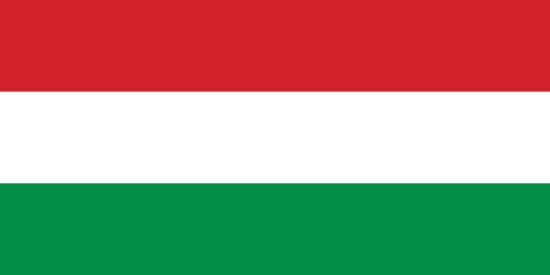
Hungary Fast Facts:
8 People Groups · 9,679K People
| Engagement | Groups | Population |
|---|---|---|
| Unengaged and Unreached | 0 | 0K |
| Engaged yet Unreached | 5 | 9,566K |
| No Longer Unreached | 3 | 113.2K |
Hungary Realities:
- Weighted GSEC
- 1
- Dying Daily
- 355
- Dying Daily Without Christ
- (99.7%) 354
- Birth Rate per 1,000
- 10.2
- Death Rate per 1,000
- 13.0
People Groups of Hungary
Strategic Progress Index
All
8 people groups
| Photo | People Group ID | Name | Country | Population ▲ | Strategic Progress Index | Language | Religion |
|---|---|---|---|---|---|---|---|
 | PG048424 | Khalka Mongols | Hungary | 1,200 | No Longer Unreached | Halh Mongolian | Atheism |
 | PG042235 | Han Chinese | Hungary | 15,500 | No Longer Unreached | Mandarin Chinese | Chinese Folk Religion |
 | PG000830 | Germans | Hungary | 35,000 | Engaged yet Unreached | German | Unaffiliated |
 | PG000833 | Ashkenazi Jews | Hungary | 48,000 | Engaged yet Unreached | Eastern Yiddish | Judaism |
 | PG000835 | Romanians | Hungary | 96,500 | No Longer Unreached | Romanian | Eastern Orthodox Christianity |
 | PG000832 | Deaf Hungarians | Hungary | 97,500 | Engaged yet Unreached | Hungarian Sign Language | Roman Catholicism |
 | PG000828 | Carpathian Romani | Hungary | 500,000 | Engaged yet Unreached | Carpathian Romani | Unaffiliated |
 | PG000831 | Hungarians | Hungary | 8,885,000 | Engaged yet Unreached | Hungarian | Roman Catholicism |