
What are People Groups?
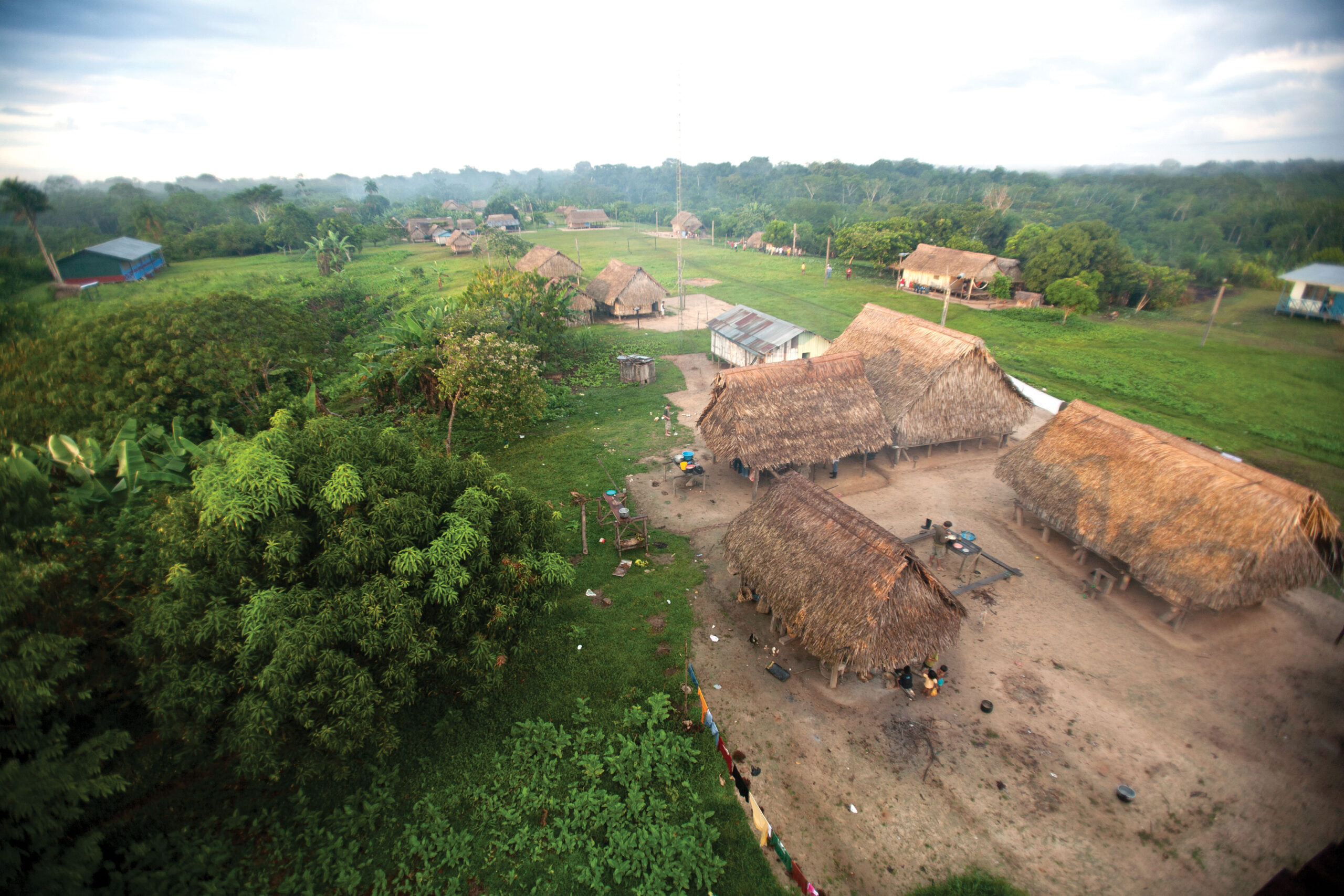
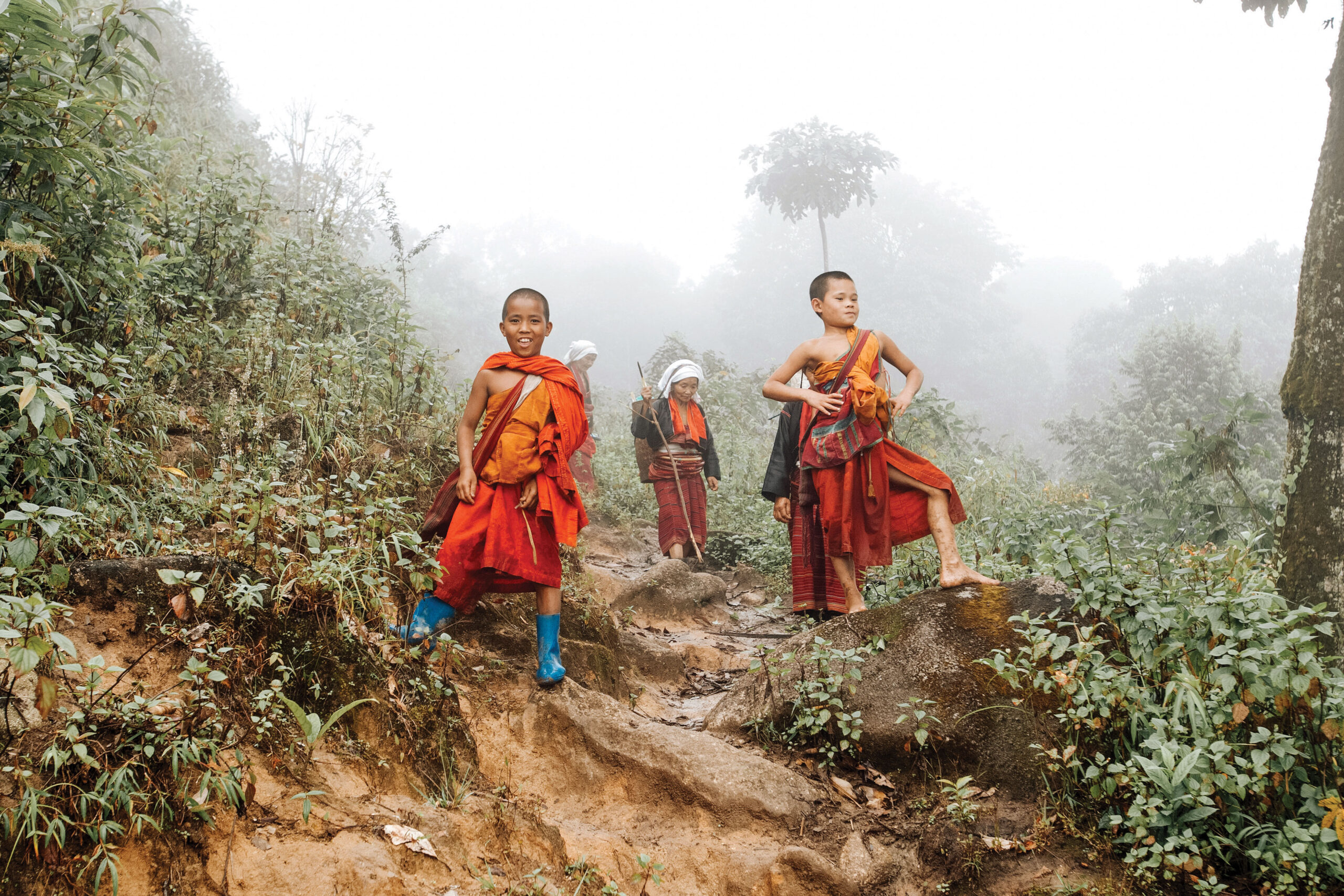
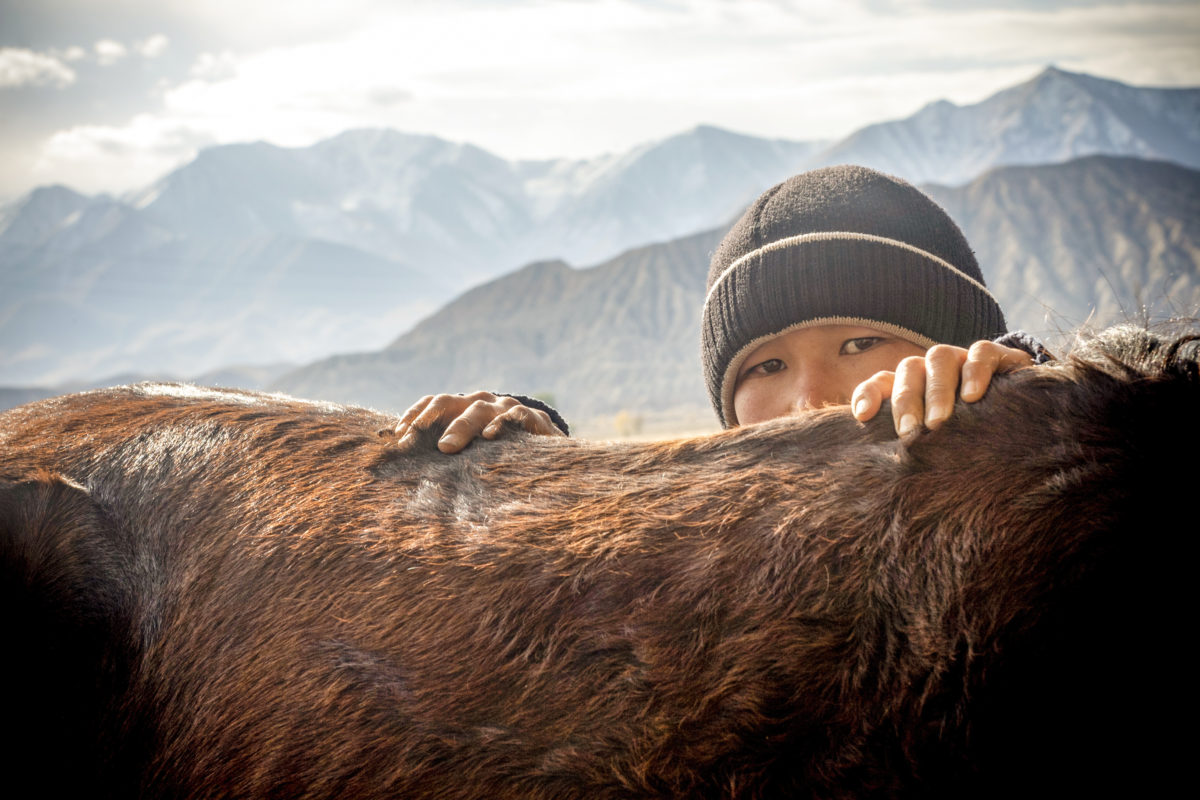

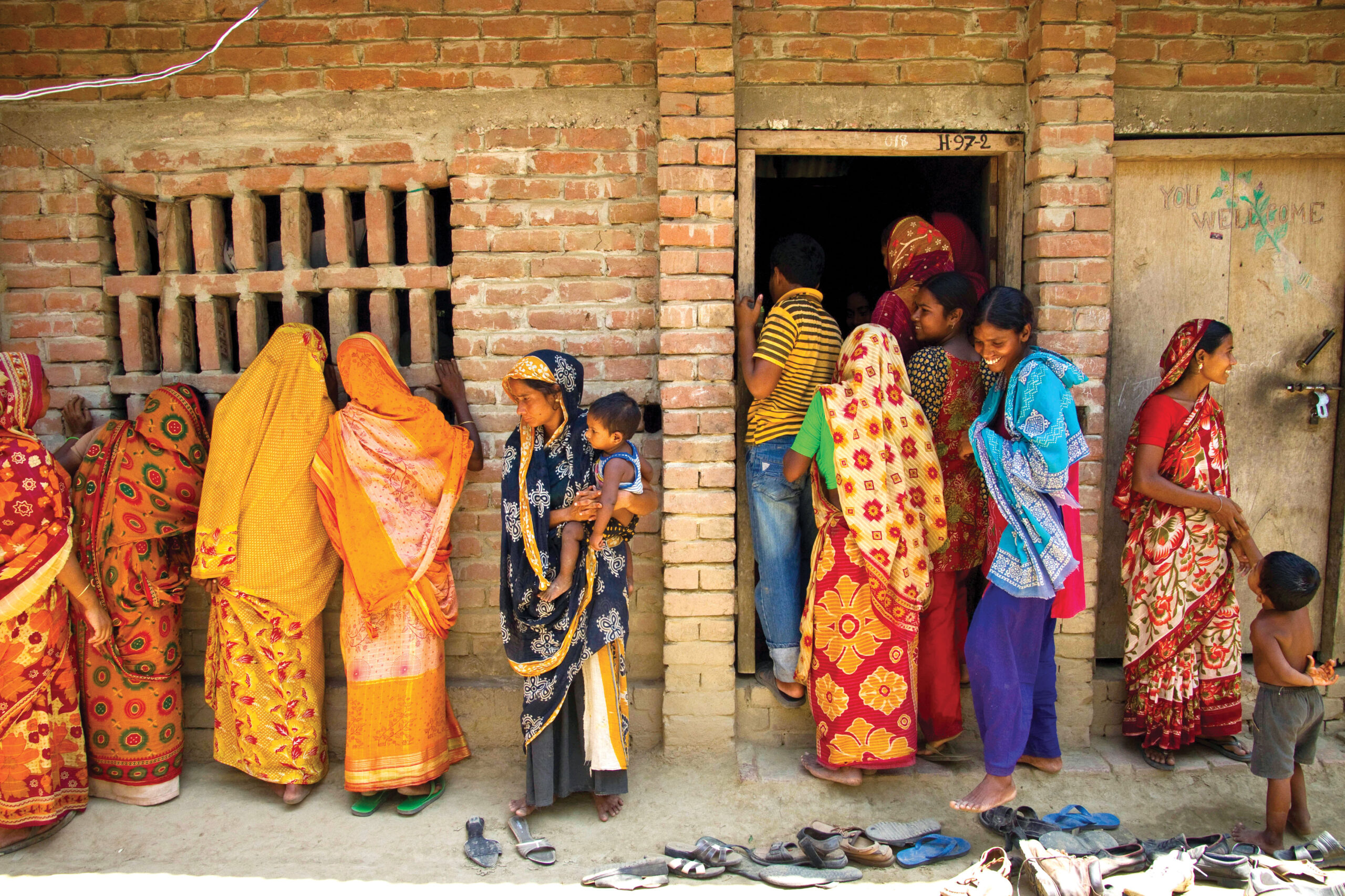




From a biblical perspective, people groups are not arbitrary social constructs but divinely recognized divisions within humanity (nations, tribes, peoples, and languages) that emerge naturally from God’s redemptive plan for the world. While the modern term “people group” does not appear in Scripture, the concept is rooted in a careful study of biblical language and God’s dealing with humanity throughout redemptive history.
The foundational text for missions, Matthew 28:19, records Jesus’ command to “make disciples of all nations.” The Greek word used here is ethnos, referring not to modern geopolitical states but to ethnic or cultural groups bound by shared language, identity, and heritage. This emphasis on ethnos appears throughout Scripture and is echoed in key terms such as the following:
Phyle – tribe or clan by bloodline
(Luke 2:36; Revelation 5:5)
Laos – a people with shared cultural identity (Acts 15:14; 1 Peter 2:9)
Glossa – distinct language groups
(Revelation 7:9; Genesis 10)
Goy/Am/Mishpaha – Old Testament terms denoting nations, peoples, and clans
These distinctions are not man-made but divinely established. Genesis 10 details the division of humanity after the flood into nations, languages, and clans, and Genesis 11 describes God’s direct intervention at Babel to scatter people and confuse their language, which was an act of mercy that curbed the spread of collective human sin.
Thus, ethnic diversity itself is not a problem to be solved but a divine structure to be redeemed.
Throughout the Bible, God’s heart is revealed for all the peoples of the earth. From the promise to Abraham that “all the families of the earth shall be blessed” (Genesis 12:3) to the Messianic vision of Psalm 22:27 and the servant songs of Isaiah 49:6, God’s plan has always been global.
This culminates in Revelation 7:9, where a vast multitude from “every nation, all tribes, peoples, and languages” worships before the Lamb. This vision underscores that the gospel is meant to reach all people group combinations – language, ethnicity, tribe, and nation.
Jesus clarified in John 3:16 that salvation is for whoever believes and is not limited by geography or ethnicity. Still, He commands His followers to go to all peoples because people don’t come to God on their own; disciples must be made intentionally (Romans 10:14–15).
People groups matter because they represent the natural social and cultural containers through which the gospel flows.
Peoplegroups.org and the International Mission Board (IMB) define a people group as “the largest group through which the gospel can flow without encountering significant barriers of understanding or acceptance.” People groups can change over time, and factors such as ethnicity, language, culture, clan, tribe, self-identity and more, assist in the identification of distinct people groups.
A key question in people group research is if disciples can be made of a people of a particular attribute combination (nation, tribe, people, language, etc.) by a people of another attribute combination without barriers of understanding or acceptance?
If not, the Great Commission demands that followers of Jesus Christ from the one people group accommodate and intentionally cross barriers to make disciples of the other people group. Therefore, effective disciple-making and church planting requires recognizing these groups and adapting strategies accordingly.
Moreover, God desires representation from every group at His throne. Because He created and values the diversity of all mankind (Jeremiah 32:27), He also commands that the Church labor to bring the gospel across every ethnic and linguistic boundary.
God is the one deserving of all worship. This task is unfinished.
As of 2025, there are over 12,000 identified people groups, with more than 7,000 still considered unreached, and over 3,000 unengaged unreached people groups (UUPGs).
People group lists are not just data; they are a call to pray, to go, to send, and to engage. God’s glory is revealed when the gospel takes root in culturally diverse communities and when believers from every background worship together in unity.
Recognizing people groups and their lostness helps the Church to align with God’s mission, seeking the lost (Luke 19:10), making disciples of all peoples (Matt 28:19), and fulfilling the vision of Revelation 7:9.
The Church is invited into a global mission that mirrors God’s heart, a mission not just to make converts, but to make disciples and plant healthy, multiplying churches in every people group on earth.
One of the best ways to experience God’s love for the peoples of the earth is to begin to pray for People Groups. Use the maps, lists, and detailed information about peoples, places, languages, and religions found on this website and ask God to lead you toward a people group or groups for whom you can begin to pray regularly.
To help you get started with praying, download the Loving the Lost prayer guide.
To learn about key terms and definitions pertaining to lostness, visit our definitions page.
To begin exploring the People Groups of the World, visit our interactive people group exploration page.
Explore the People Groups of the World
Map and discover people groups and the status of the gospel among them. Filter, explore, and even download information.