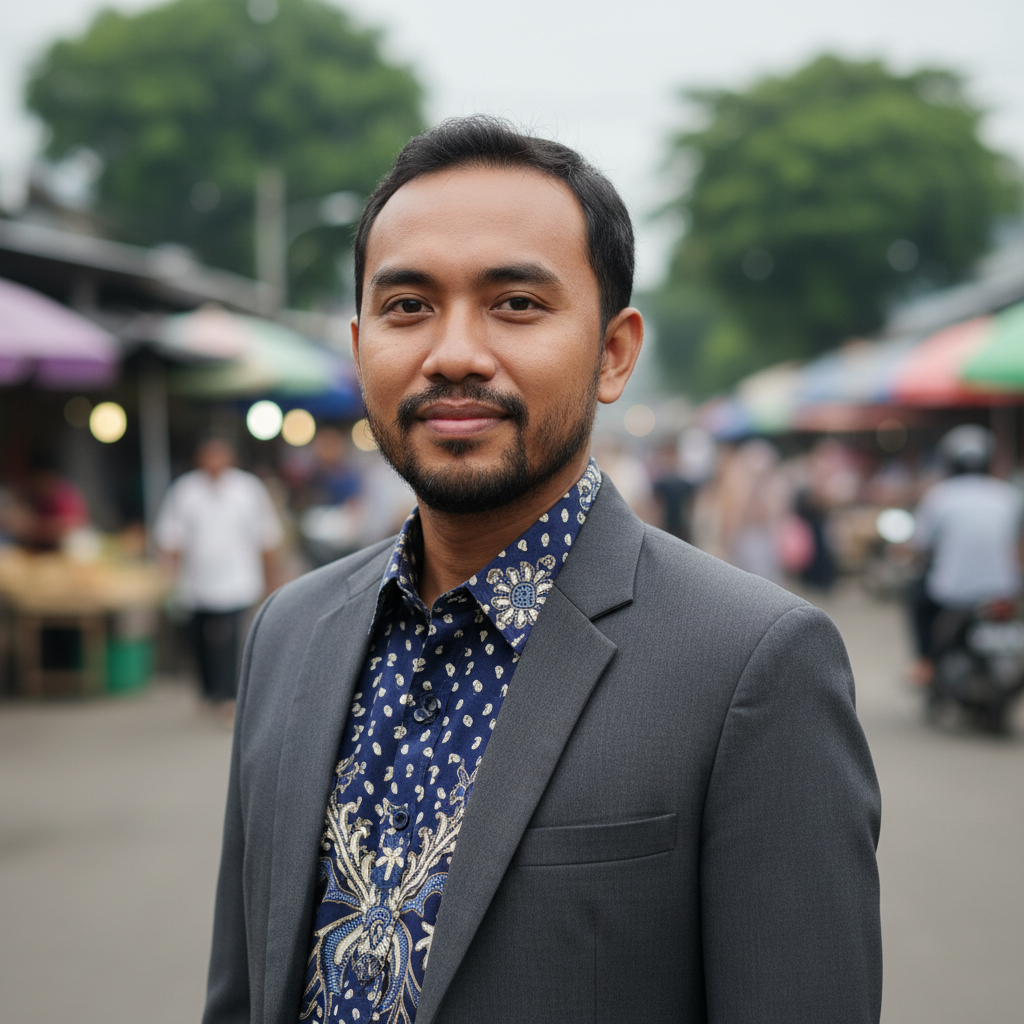
The Baras of Indonesia

The Baras of Indonesia, numbering approximately 400 people, are Unengaged and Unreached. They are an ethnolinguistic community of Indonesia. They are an Indigenous people, in the Kaili-Tomini of Sulawesi people cluster of the Malay Peoples affinity bloc. Their primary religion is Islam - Sunni. They primarily speak Indonesian.

Baras in Indonesia photo
Photo by Google. (2026). Image generated by Gemini 2.5 Flash: Baras

Fast Facts:

Affinity Group: Asian Pacific Rim Peoples
Country: Indonesia
People Cluster: Kaili-Tomini of Sulawesi
Primary Language(s): Indonesian (ind)
Primary Religion(s): Islam - Sunni
Population: 400
Strategic Progress Index (SPI): Unengaged and Unreached
Global Status of Evangelical Christianity (GSEC): Less than 2% Evangelical, No Active CP Activity
People Group ID: PG022790
View on Joshua Project

Pray for the Baras of Indonesia

Join others around the world in praying for the lost to be saved, the gospel to advance, the global Church to grow, and for laborers to be sent out and sustained in the harvest.

Dig Deeper (Religion):

Primary Religion: Islam - Sunni
Religious Affiliation: Islam

%
Islam - Sunni Adherents

Dig Deeper (Language):

Primary Language: Indonesian
Language Family: Austronesian

%
Indonesian Speakers

Bible Resources in Indonesian:

Or check out the Indonesian bible resources at Bible.com

Linked from YouVersion

Next steps for the Baras

The Baras are Unengaged and Unreached, which means there are less than 2% evangelical Christian populations among which there are no known efforts focused on establishing self-sustaining churches consistent with evangelical faith and practice.

Begin signifcant prayer and fasting for this group
Send cross-cultural teams to discover and research this people group
Begin gospel seed sowing and church planting among this group

Next steps for the Baras

The Baras are Engaged yet Unreached, which means there are less than 2% evangelical Christian populations but there are sustained efforts at establishing self-sustaining churches consistent with evangelical faith and practice.

Continue prayer and fasting for this group
Continue gospel seed sowing and church planting among this group
Begin training up local leaders to lead and develop strategies to reach their own people

Next steps for the Baras

The Baras are No Longer Unreached, which means there are more than 2% evangelical Christian populations and there are churches consistent with evangelical faith and practice. There is still more to be done among them.

Empower local believers to begin praying for their own people
Continue gospel seed sowing and church planting among this group
Encourage local leaders to being leading church planting strategy and looking for Unreached and Unengaged groups nearby

Pray specifically for the Baras of Indonesia

All have turned aside; together they have become worthless; no one does good, not even one.
readRomans 3:12

Pray that those who are enslaved to sin will admit their need for a Savior, acknowledging that no one is righteous.

The people dwelling in darkness have seen a great light, and for those dwelling in the region and shadow of death, on them a light has dawned.
readMatthew 4:16

Pray that those who dwell in darkness and live in the land of the shadow of death may be drawn out of darkness into His marvelous light.

Again I say to you, if two of you agree on earth about anything they ask, it will be done for them by my Father in heaven.
readMatthew 18:19

Pray that as people place their faith in Christ, they find other believers to pray with, and that they will trust God to answer their requests according to His will.

Come, bless the LORD, all you servants of the LORD, who stand by night in the house of the LORD!
readPsalm 134:1

Pray that God will raise up believers among them who are in awe of Him and that, in service to Him, they will share the gospel with others so that they too may bless the Lord!

Baras (ROP3 - 101044) reported in the following countries:

To download a comprehensive people group list in spreadsheet form, visit our Research Data page.

Peoplegroups.org relies on updates from the field and other organizations for much of our data, so if you have any updates, please contact us. We use various international naming standards. For a list of these standards and fields, visit our Definitions page.

Scroll to Top