The Mbala of Congo, Democratic Republic of the
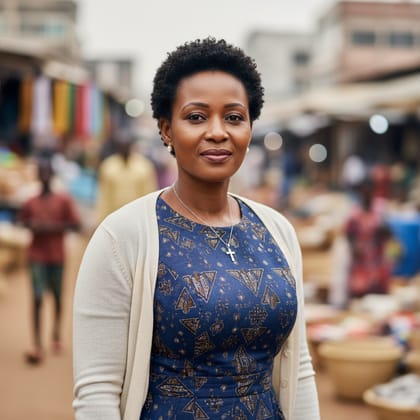
The Mbala of Congo, Democratic Republic of the, numbering approximately 1,055,000 people, are Engaged yet Unreached. They are described as a Bantu people of the Kwango and Kwilu river region of southwestern Democratic Republic of the Congo whose identity reflects migration from Angola, interaction with neighboring Yaka and Pende peoples, and enduring clan-based traditions They are an Indigenous people, with Mbala as their ethnic/kinship group and are in the Bantu, Central-South people cluster of the Sub-Saharan African Peoples. Their primary religion is Roman Catholicism. They primarily speak Mbala.

Photo by Google. (2026). Image generated by Gemini 2.5 Flash: Mbala

Fast Facts:

Affinity Group: Sub-Saharan African Peoples
Country: Congo, Democratic Republic of the
People Cluster: Bantu, Central-South
Primary Language(s): Mbala (mdp)
Primary Religion(s): Roman Catholicism
Population: 1,055,000
Strategic Progress Index (SPI): Engaged yet Unreached
Global Status of Evangelical Christianity (GSEC): Less than 2% Evangelical, No Recent CP Activity
People Group ID: PG014649
View on Joshua Project

Pray for the Mbala of Congo, Democratic Republic of the

Join others around the world in praying for the lost to be saved, the gospel to advance, the global Church to grow, and for laborers to be sent out and sustained in the harvest.

Dig Deeper (Religion):

Primary Religion: Roman Catholicism
Religious Affiliation: Christianity

67%
%
Roman Catholicism Adherents

Dig Deeper (Language):

Primary Language: Mbala
Language Family: Atlantic-Congo

53%
%
Mbala Speakers

Media Resources in Mbala:

Films:
TitleLink
JESUSView Film

1 film

Bible Resources in Mbala:

No Bible resources are listed for this language.

Or check out the Mbala bible at Bible.com

Linked from YouVersion

SPI: Unreached yet Engaged

The Mbala are Engaged yet Unreached, which means there are less than 2% evangelical Christian populations but there are sustained efforts at establishing self-sustaining churches consistent with evangelical faith and practice.

Next steps for the Mbala:
Continue prayer and fasting for this group
Continue gospel seed sowing and church planting among this group
Begin training up local leaders to lead and develop strategies to reach their own people

Pray specifically for the Mbala of Congo, Democratic Republic of the

O Lord, you hear the desire of the afflicted; you will strengthen their heart; you will incline your ear to do justice to the fatherless and the oppressed, so that man who is of the earth may strike terror no more.
readPsalm 10:17-18

Pray that God, in accordance with His good character, will give justice to those who are oppressed by sin and that they will know that His offer of salvation is for everyone.

And what you have heard from me in the presence of many witnesses entrust to faithful men, who will be able to teach others also.
read2 Timothy 2:2

Pray that the lost will come to faith in Christ and be discipled in the truth of the gospel, becoming faithful followers of Jesus who, in turn, make disciples themselves.

Your word is a lamp to my feet and a light to my path.
readPsalm 119:105

Pray that as people place their faith in Christ, they will meditate daily on the Word of God so that, through it, they might have wisdom for the big and small decisions they face every day.

And he said to them, "The harvest is plentiful, but the laborers are few. Therefore pray earnestly to the Lord of the harvest to send out laborers into his harvest."
readLuke 10:2

Ask God to send out laborers into His harvest field, raising up believers from around the world to go and proclaim the kingdom of God with those who need to hear it.

Mbala Across Countries (ROP3 - 106458) reported in the following countries:

Strategic Progress Index
All

1 people group

To download a comprehensive people group list in spreadsheet form, visit our Research Data page.

Peoplegroups.org relies on updates from the field and other organizations for much of our data, so if you have any updates, please contact us. We use various international naming standards. For a list of these standards and fields, visit our Data Standards section.

Scroll to Top