The Central Moroccan Imazighen of Morocco
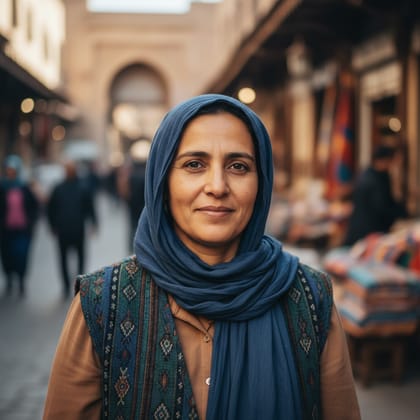
The Central Moroccan Imazighen of Morocco, numbering approximately 3,535,000 people, are Engaged yet Unreached. They are described as the Indigenous peoples of North Africa, united by a shared Amazigh heritage, related Tamazight languages, and a long history of adaptation across the mountains, coasts, and deserts of the Maghreb They are an Indigenous people, with Amazigh, Shilha as their ethnic/kinship group and are in the Amazigh-Shilha people cluster of the Arab Peoples. Their primary religion is Sunni Islam. They primarily speak Tamazight, Central Atlas.

Photo by Google. (2026). Image generated by Gemini 2.5 Flash: Amazigh of Central Morocco

Fast Facts*:

Affinity Group: Arab Peoples
Country: Morocco
People Cluster: Amazigh-Shilha
Primary Language(s): Tamazight, Central Atlas (tzm)
Primary Religion(s): Sunni Islam
Population: 3,535,000
Strategic Progress Index (SPI): Engaged yet Unreached
Global Status of Evangelical Christianity (GSEC): Less than 2% Evangelical, No Recent CP Activity
People Group ID: PG011862
View on Joshua Project

Pray for the Central Moroccan Imazighen of Morocco

Join others around the world in praying for the lost to be saved, the gospel to advance, the global Church to grow, and for laborers to be sent out and sustained in the harvest.

Dig Deeper (Religion):

Primary Religion: Sunni Islam
Religious Affiliation: Islam

100%
%
Sunni Islam Adherents

Dig Deeper (Language):

Primary Language: Tamazight, Central Atlas
Language Family: Afro-Asiatic

75%
%
Tamazight, Central Atlas Speakers

Media Resources in Tamazight, Central Atlas:

Films:
TitleLink
JESUSView Film
MagdalenaView Film
The SaviorView Film

3 films

Bible Resources in Tamazight, Central Atlas:

Bible Name (Translation)VideoAudioText
Lctab n Rebbi s Tamazight n Atlas

1 entry

Or check out the Tamazight, Central Atlas bible at Bible.com

Linked from YouVersion

SPI: Unreached yet Engaged

The Central Moroccan Imazighen are Engaged yet Unreached, which means there are less than 2% evangelical Christian populations but there are sustained efforts at establishing self-sustaining churches consistent with evangelical faith and practice.

Next steps for the Central Moroccan Imazighen:
Continue prayer and fasting for this group
Continue gospel seed sowing and church planting among this group
Begin training up local leaders to lead and develop strategies to reach their own people

Pray specifically for the Central Moroccan Imazighen of Morocco

Why, even the hairs of your head are all numbered. Fear not; you are of more value than many sparrows.
readLuke 12:7

Pray that those who don't yet know how to trust in Jesus will not be consumed by worry and anxiety, but will trust in the Father's care and provision for their daily needs and for their eternal salvation

And as Moses lifted up the serpent in the wilderness, so must the Son of Man be lifted up, that whoever believes in him may have eternal life.
readJohn 3:14-15

Pray that the lost will look to Jesus lifted up on the cross and believe in Him, gaining eternal life with God.

Therefore, as you received Christ Jesus the Lord, so walk in him, rooted and built up in him and established in the faith, just as you were taught, abounding in thanksgiving.
readColossians 2:6-7

Pray that as people place their faith in Christ, they will be rooted and built up in Him, abounding in thanksgiving for the grace and mercy He has shown them.

The Lord is not slow to fulfill his promise as some count slowness, but is patient toward you, not wishing that any should perish, but that all should reach repentance.
read2 Peter 3:9

Pray that those God sends to cross cultures will patiently endure hardships as they share the gospel, knowing that the Lord is not slow to fulfill His promise.

Amazigh Across Countries (ROP3 - 104002) reported in the following countries:

Strategic Progress Index
All

4 people groups

To download a comprehensive people group list in spreadsheet form, visit our Research Data page.

*Peoplegroups.org relies on updates from the field and other organizations for much of our data, so if you have any updates, please contact us. We use various international naming standards. For a list of these standards and fields, visit our Data Standards section.

Scroll to Top