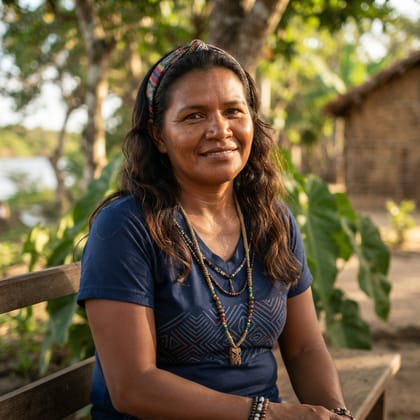
The Koiupanka of Brazil

The Koiupanka of Brazil, numbering approximately 1,200 people, are Unengaged and Unreached. They are an Indigenous people of the Alagoas sertão descended from the Pankararu tradition who reasserted a distinct Koiupanká identity in Inhapi while maintaining shared ritual and kinship ties with related northeastern peoples. They mostly adhere to Ethnoreligion and Portuguese is their primary language.

Photo by Google. (2026). Image generated by Gemini 3.1 Flash-Lite: Koiupanka

Fast Facts:

Affinity Group: Latin American and Caribbean Peoples
Country: Brazil
People Cluster: South American Indigenous
Primary Language(s): Portuguese (por)
Primary Religion(s): Ethnoreligion
Population: 1,200
Strategic Progress Index (SPI): Unengaged and Unreached
Global Status of Evangelical Christianity (GSEC): Less than 2% Evangelical, No Recent CP Activity
People Group ID: PG048636
View on Joshua Project

Pray for the Koiupanka of Brazil

Join others around the world in praying for the lost to be saved, the gospel to advance, the global Church to grow, and for laborers to be sent out and sustained in the harvest.

Dig Deeper (Religion):

Primary Religion: Ethnoreligion
Religious Affiliation: Ethnoreligion

90%
%
Ethnoreligion Adherents

Dig Deeper (Language):

Primary Language: Portuguese
Language Family: Indo-European

100%
%
Portuguese Speakers

Media Resources in Portuguese:

Films:
TitleLink
JESUSView Film
JESUSView Film
MagdalenaView Film
MagdalenaView Film
The SaviorView Film

5 films

Explore Lostness and Next Steps

Unengaged and Unreached

Strategic Priority Index (SPI): Unengaged and Unreached (SPI: 0), which means there are less than 2% evangelical Christian populations among which there are no known efforts focused on establishing self-sustaining churches consistent with evangelical faith and practice.
Lostness Priority Index (LPI): Pioneer Unreached People Group, (LPI: 1), 0.1% or Greater but Less than 0.5% Evangelical.
Global Status of Evangelical Christianity (GSEC): Less than 2% Evangelical, No Recent CP Activity (GSEC: 1), this people group is less than 2% evangelical, some evangelical resources are available, but there has been no active church planting among them within the past two years

Next steps for the Koiupanka:
Begin signifcant prayer and fasting for this group
Send cross-cultural teams to discover and research this people group
Begin gospel seed sowing and church planting among this group

Pray specifically for the Koiupanka of Brazil

All have turned aside; together they have become worthless; no one does good, not even one.
readRomans 3:12

Pray that those who are enslaved to sin will admit their need for a Savior, acknowledging that no one is righteous.

Ascribe to the LORD, O families of the peoples, ascribe to the LORD glory and strength!
readPsalm 96:7

Pray that entire households will come to faith in Jesus and that God will bless their families with faith in Him for generations to come.

Praising God and having favor with all the people. And the Lord added to their number day by day those who were being saved.
readActs 2:47

Pray that as people place their faith in Christ, God will use their faith and their church community as a testimony to the watching world and grow His Church.

But by the grace of God I am what I am, and his grace toward me was not in vain. On the contrary, I worked harder than any of them, though it was not I, but the grace of God that is with me. Whether then it was I or they, so we preach and so you believed.
read1 Corinthians 15:10–11

Pray that God's people will preach the message of Jesus' death and resurrection and that it will spread among the lost through the selfless witness of believers.

Koiupanka Across Countries (ROP3 - 116104) reported in the following countries:

Strategic Progress Index
All

1 people group

To download a comprehensive people group list in spreadsheet form, visit our Research Data page.

Peoplegroups.org relies on updates from the field and other organizations for much of our data, so if you have any updates, please contact us. We use various international naming standards. For a list of these standards and fields, visit our Data Standards section.

Scroll to Top