The Santal (Magahi) of India

The Santal (Magahi) of India, numbering approximately 546,000 people, are No Longer Unreached. They are described as one of the largest Indigenous tribal (Adivasi) peoples of India. Santal identity is centered on village life, agriculture, clan organization, nature-based religious traditions, rich musical and dance heritage, and a strong sense of ethnic distinctiveness They are an Indigenous people, with Santal as their ethnic/kinship group and are in the Munda-Santal people cluster of the South Asian Peoples. They mostly adhere to Hinduism and Magahi is their primary language.

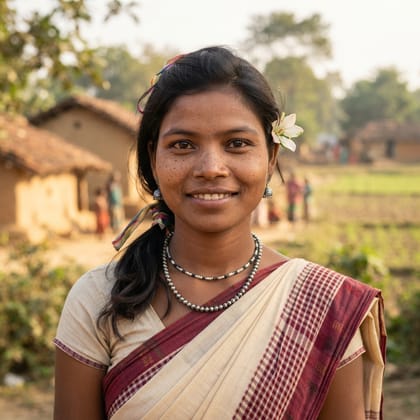
Photo by Google. (2026). Image generated by Gemini 3.1 Flash Lite: Santal (Magahi)

Fast Facts:

Affinity Group: South Asian Peoples
Country: India
People Cluster: Munda-Santal
Primary Language(s): Magahi (mag)
Primary Religion(s): Hinduism
Population: 546,000
Strategic Progress Index (SPI): No Longer Unreached
Global Status of Evangelical Christianity (GSEC): 2% or Greater but Less than 5% Evangelical
People Group ID: PG046150

Pray for the Santal (Magahi) of India

Join others around the world in praying for the lost to be saved, the gospel to advance, the global Church to grow, and for laborers to be sent out and sustained in the harvest.

Dig Deeper (Religion):

Primary Religion: Hinduism
Religious Affiliation: Hinduism

97%
%
Hinduism Adherents

Dig Deeper (Language):

Primary Language: Magahi
Language Family: Indo-European

100%
%
Magahi Speakers

Media Resources in Magahi:

Films:
TitleLink
JESUSView Film

1 film

Bible Resources in Magahi:

Bible Name (Translation)VideoAudioText
2014 Asian Sahyogi Sanstha India Gorakhpur, (U.P.)✓✓

1 entry

Or check out the Magahi bible at Bible.com

Linked from YouVersion

SPI: No longer Unreached

The Santal (Magahi) are No Longer Unreached, which means there are more than 2% evangelical Christian populations and there are churches consistent with evangelical faith and practice. There is still more to be done among them.

Next steps for the Santal (Magahi):
Empower local believers to begin praying for their own people
Continue gospel seed sowing and church planting
Encourage local leaders to being leading church planting strategy and looking for Unreached and Unengaged groups nearby

Pray specifically for the Santal (Magahi) of India

For the Son of Man came to seek and save the lost.
readLuke 19:10

Pray that those who are lost will respond to the One who came to seek and save the lost, and experience the joy of being found.

I saw in the night visions, and behold, with the clouds of heaven there came one like a son of man, and he came to the Ancient of Days and was presented before him. And to him was given dominion and glory and a kingdom, that all peoples, nations, and languages should serve him; his dominion is an everlasting dominion, which shall not pass away, and his kingdom one that shall not be destroyed.
readDaniel 7:13-14

Pray that the gospel will advance so that all peoples will come to know the Son of Man, who has been given dominion and glory and a kingdom, and that they will bow before Him and serve Him forever.

And they all ate and were satisfied. And what was left over was picked up, twelve baskets of broken pieces.
readLuke 9:17

Pray that as people place their faith in Christ, they will meditate on the stories of Jesus' miracles, be in awe of Him, and trust Him for everything they need.

This is the message we have heard from him and proclaim to you, that God is light, and in him is no darkness at all.
read1 John 1:5

Pray that God will raise up believers who can share the gospel with people who don't know the good news of Jesus, that God is light and in him, there is no darkness at all.

Santal (Magahi) Across Countries (ROP3 - 118984) reported in the following countries:

Strategic Progress Index
All

1 people group

To download a comprehensive people group list in spreadsheet form, visit our Research Data page.

Peoplegroups.org relies on updates from the field and other organizations for much of our data, so if you have any updates, please contact us. We use various international naming standards. For a list of these standards and fields, visit our Data Standards section.

Scroll to Top