The Assyrians of United States

The Assyrians of United States, numbering approximately 70,000 people, are No Longer Unreached. They are a Semitic people indigenous to northern Mesopotamia, speakers of Neo-Aramaic, claiming continuity with ancient Assyria, split across the Church of the East, Chaldean Catholic, and Syriac Orthodox traditions, with a large modern diaspora. They mostly adhere to Chaldean Catholicism and Assyrian Neo-Aramaic is their primary language.

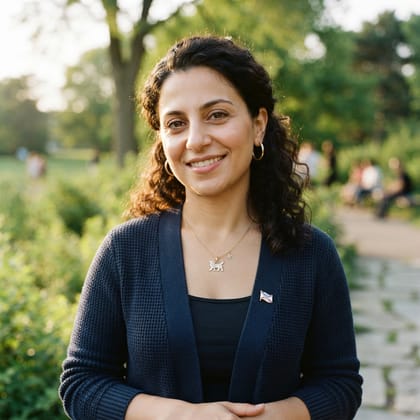
Photo by Google. (2026). Image generated by Gemini 3.1 Flash Lite: Assyrian

Fast Facts:

Affinity Group: Arab Peoples
Country: United States
People Cluster: Assyrian
Primary Language(s): Assyrian Neo-Aramaic (aii)
Primary Religion(s): Chaldean Catholicism
Population: 70,000
Strategic Progress Index (SPI): No Longer Unreached
Global Status of Evangelical Christianity (GSEC): 2% or Greater but Less than 5% Evangelical
People Group ID: PG043528
View on Joshua Project

Pray for the Assyrians of United States

Join others around the world in praying for the lost to be saved, the gospel to advance, the global Church to grow, and for laborers to be sent out and sustained in the harvest.

Dig Deeper (Religion):

Primary Religion: Chaldean Catholicism
Religious Affiliation: Christianity

30%
%
Chaldean Catholicism Adherents

Dig Deeper (Language):

Primary Language: Assyrian Neo-Aramaic
Language Family: Afro-Asiatic

100%
%
Assyrian Neo-Aramaic Speakers

Media Resources in Assyrian Neo-Aramaic:

Films:
TitleLink
JESUSView Film
MagdalenaView Film

2 films

Bible Resources in Assyrian Neo-Aramaic:

No Bible resources are listed for this language.

Or check out the Assyrian Neo-Aramaic bible at Bible.com

Linked from YouVersion

SPI: No longer Unreached

The Assyrians are No Longer Unreached, which means there are more than 2% evangelical Christian populations and there are churches consistent with evangelical faith and practice. There is still more to be done among them.

Next steps for the Assyrians:
Empower local believers to begin praying for their own people
Continue gospel seed sowing and church planting
Encourage local leaders to being leading church planting strategy and looking for Unreached and Unengaged groups nearby

Pray specifically for the Assyrians of United States

And Jesus came and said to them, “All authority in heaven and on earth has been given to me. Go therefore and make disciples of all nations, baptizing them in the name of the Father and of the Son and of the Holy Spirit, teaching them to observe all that I have commanded you. And behold, I am with you always, to the end of the age.”
readMatthew 28:16-20

Pray that those who don't yet know Him will encounter the risen Savior and be transformed by the power of His resurrection, becoming disciples who make disciples.

Now therefore, O kings, be wise; be warned, O rulers of the earth. Serve the LORD with fear, and rejoice with trembling.
readPsalm 2:10-11

Pray for the rulers and authorities here to seek the Lord and serve Him only. Pray that the people they lead will be amazed by the work of God in their lives.

He will wipe away every tear from their eyes, and death shall be no more, neither shall there be mourning, nor crying, nor pain anymore, for the former things have passed away.
readRevelation 21:4

Pray that as people place their faith in Christ and walk through challenges, they will find comfort in God's promise of a beautiful future when there is no pain or suffering for those who belong to Christ.

And if a son of peace is there, your peace will rest upon him. But if not, it will return to you.
readLuke 10:6

Pray that, as people come to faith in Christ and want to share it with others, they will be welcomed into homes and received well so that they can share message of hope with many people.

Assyrian Across Countries (ROP3 - 100574) reported in the following countries:

Strategic Progress Index
All

14 people groups

To download a comprehensive people group list in spreadsheet form, visit our Research Data page.

Peoplegroups.org relies on updates from the field and other organizations for much of our data, so if you have any updates, please contact us. We use various international naming standards. For a list of these standards and fields, visit our Data Standards section.

Scroll to Top