
The Jamaicans of Cuba
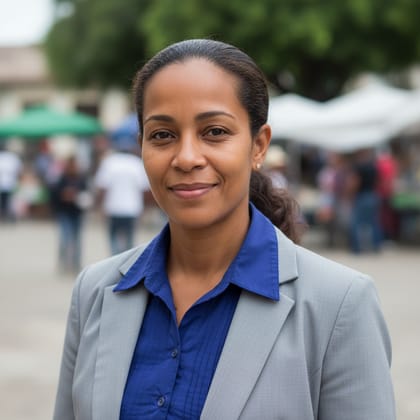
Fast Facts:
Dig Deeper (Religion):
Dig Deeper (Language):
Bible Resources in Jamaican Creole English:
| Bible Name (Translation) | Video | Audio | Text |
|---|---|---|---|
| Bible Society of the West Indies | ✓ | ✓ | ✓ |
1 entry
Provided by Faith Comes by Hearing
Linked from YouVersion
Next steps for the Jamaicans:
Pray specifically for the Jamaicans of Cuba
You visit the earth and water it; you greatly enrich it; the river of God is full of water; you provide their grain, for so you have prepared it.
This is the message we have heard from him and proclaim to you, that God is light, and in him is no darkness at all.
For as I passed along and observed the objects of your worship, I found also an altar with this inscription: ‘To the unknown god.’ What therefore you worship as unknown, this I proclaim to you.
Behold, I am doing a new thing; now it springs forth, do you not perceive it? I will make a way in the wilderness and rivers in the desert.
Jamaican Across Countries (ROP3 - 104168) reported in the following countries:
Strategic Progress Index
All
11 people groups
| Photo | People Group ID | Name | Country | Population ▲ | Strategic Progress Index | Language | Religion |
|---|---|---|---|---|---|---|---|
 | PG048546 | Jamaicans | Germany | 1,300 | No Longer Unreached | English | Protestantism |
 | PG016473 | Jamaicans | Venezuela | 2,700 | No Longer Unreached | Jamaican Creole English | Protestantism |
 | PG022303 | Jamaicans | Cuba | 4,900 | No Longer Unreached | Jamaican Creole English | Folk Catholicism |
 | PG022263 | Jamaicans | Bahamas | 5,400 | No Longer Unreached | Jamaican Creole English | Folk Catholicism |
 | PG016241 | Jamaicans | Colombia | 28,000 | No Longer Unreached | Jamaican Creole English | Folk Catholicism |
 | PG024978 | Jamaicans | Costa Rica | 70,500 | No Longer Unreached | Jamaican Creole English | Ethnoreligion |
 | PG024835 | Jamaicans | Panama | 210,000 | No Longer Unreached | Jamaican Creole English | Ethnoreligion |
 | PG047381 | Jamaicans | Canada | 332,000 | No Longer Unreached | English | Protestantism |
 | PG000646 | Jamaicans | United Kingdom | 340,000 | No Longer Unreached | Jamaican Creole English | Protestantism |
 | PG043284 | Jamaicans | United States | 589,000 | No Longer Unreached | English | Protestantism |
 | PG016387 | Jamaicans | Jamaica | 2,765,000 | No Longer Unreached | Jamaican Creole English | Protestantism |