The Apiaka of Brazil

The Apiaka of Brazil, numbering approximately 850 people, are Unengaged and Unreached. They are described as an Indigenous Tupi‑Guarani people of northern Mato Grosso and southern Pará who have maintained a distinct Apiaká identity despite severe population losses, long coexistence with neighboring peoples, and the decline of their ancestral language They are an Indigenous people, with Apiaka (Apiaca) as their ethnic/kinship group and are in the Guarani people cluster of the Latin American and Caribbean Peoples. Their primary religion is Ethnoreligion. They primarily speak Portuguese.

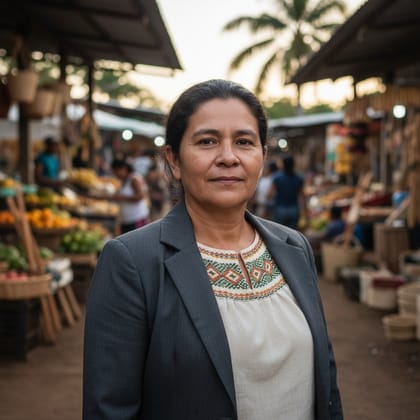
Photo by Google. (2025). Image generated by Gemini 2.5 Flash: Apiaka

Fast Facts:

Affinity Group: Latin American and Caribbean Peoples
Country: Brazil
People Cluster: Guarani
Primary Language(s): Portuguese (por)
Primary Religion(s): Ethnoreligion
Population: 850
Strategic Progress Index (SPI): Unengaged and Unreached
Global Status of Evangelical Christianity (GSEC): Less than 2% Evangelical, No Recent CP Activity
People Group ID: PG016528
View on Joshua Project

Pray for the Apiaka of Brazil

Join others around the world in praying for the lost to be saved, the gospel to advance, the global Church to grow, and for laborers to be sent out and sustained in the harvest.

Dig Deeper (Religion):

Primary Religion: Ethnoreligion
Religious Affiliation: Ethnoreligion

95%
%
Ethnoreligion Adherents

Dig Deeper (Language):

Primary Language: Portuguese
Language Family: Indo-European

100%
%
Portuguese Speakers

Media Resources in Portuguese:

Films:
TitleLink
JESUSView Film
JESUSView Film
MagdalenaView Film
MagdalenaView Film
The SaviorView Film

5 films

Explore Lostness and Next Steps

Unengaged and Unreached

Strategic Priority Index (SPI): Unengaged and Unreached (SPI: 0), which means there are less than 2% evangelical Christian populations among which there are no known efforts focused on establishing self-sustaining churches consistent with evangelical faith and practice.
Lostness Priority Index (LPI): Expanding Unreached People Group, (LPI: 2), 0.5% or Greater but Less than 2% Evangelical.
Global Status of Evangelical Christianity (GSEC): Less than 2% Evangelical, No Recent CP Activity (GSEC: 1), this people group is less than 2% evangelical, some evangelical resources are available, but there has been no active church planting among them within the past two years

Next steps for the Apiaka:
Begin signifcant prayer and fasting for this group
Send cross-cultural teams to discover and research this people group
Begin gospel seed sowing and church planting among this group

Pray specifically for the Apiaka of Brazil

Truly, I say to you, whoever does not receive the kingdom of God like a child shall not enter it.
readMark 10:15

Pray for those who might be trapped in pride, that God will humble them and give them a childlike faith and complete dependence on Him through faith in Christ.

...I have trusted in your steadfast love; my heart shall rejoice in your salvation.
readPsalm 13:5

Ask God to bring many to trust in His unfailing love and cause their hearts to rejoice in His salvation.

Finally, all of you, have unity of mind, sympathy, brotherly love, a tender heart, and a humble mind.
read1 Peter 3:8

Pray that as people place their faith in Christ, they will live in harmony with one another, showing sympathy, love, compassion, and humility.

Jesus said to them, "I am the bread of life; whoever comes to me shall not hunger, and whoever believes in me shall never thirst. But I said to you that you have seen me and yet do not believe."
readJohn 6:35-36

Praise God for the things such as bread that He has provided as natural conversation bridges to the gospel. Pray that believers will use any bridges He provides to share the gospel with those who do not yet know the good news.

Apiaká Across Countries (ROP3 - 100415) reported in the following countries:

Strategic Progress Index
All

1 people group

To download a comprehensive people group list in spreadsheet form, visit our Research Data page.

Peoplegroups.org relies on updates from the field and other organizations for much of our data, so if you have any updates, please contact us. We use various international naming standards. For a list of these standards and fields, visit our Data Standards section.

Scroll to Top