The Apiaka of Brazil

The Apiaka of Brazil, numbering approximately 850 people, are Unengaged and Unreached. They are an Indigenous Tupi‑Guarani people of northern Mato Grosso and southern Pará who have maintained a distinct Apiaká identity despite severe population losses, long coexistence with neighboring peoples, and the decline of their ancestral language. They mostly adhere to Ethnoreligion and Portuguese is their primary language.

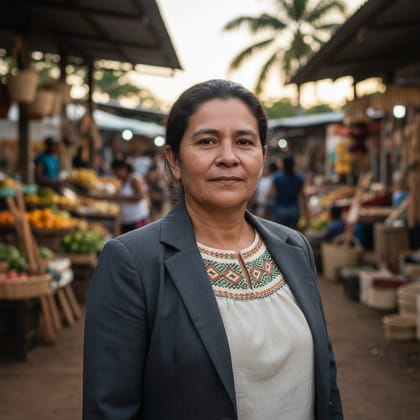
Photo by Google. (2025). Image generated by Gemini 2.5 Flash: Apiaka

Fast Facts:

Affinity Group: Latin American and Caribbean Peoples
Country: Brazil
People Cluster: Guarani
Primary Language(s): Portuguese (por)
Primary Religion(s): Ethnoreligion
Population: 850
Strategic Progress Index (SPI): Unengaged and Unreached
Global Status of Evangelical Christianity (GSEC): Less than 2% Evangelical, No Recent CP Activity
People Group ID: PG016528
View on Joshua Project

Pray for the Apiaka of Brazil

Join others around the world in praying for the lost to be saved, the gospel to advance, the global Church to grow, and for laborers to be sent out and sustained in the harvest.

Dig Deeper (Religion):

Primary Religion: Ethnoreligion
Religious Affiliation: Ethnoreligion

95%
%
Ethnoreligion Adherents

Dig Deeper (Language):

Primary Language: Portuguese
Language Family: Indo-European

100%
%
Portuguese Speakers

Media Resources in Portuguese:

Films:
Title Link
JESUS View Film
JESUS View Film
Magdalena View Film
Magdalena View Film
The Savior View Film

5 films

Explore Lostness and Next Steps

Unengaged and Unreached

Strategic Priority Index (SPI): Unengaged and Unreached (SPI: 0), which means there are less than 2% evangelical Christian populations among which there are no known efforts focused on establishing self-sustaining churches consistent with evangelical faith and practice.
Lostness Priority Index (LPI): Expanding Unreached People Group, (LPI: 2), 0.5% or Greater but Less than 2% Evangelical.
Global Status of Evangelical Christianity (GSEC): Less than 2% Evangelical, No Recent CP Activity (GSEC: 1), this people group is less than 2% evangelical, some evangelical resources are available, but there has been no active church planting among them within the past two years

Next steps for the Apiaka:
Begin signifcant prayer and fasting for this group
Send cross-cultural teams to discover and research this people group
Begin gospel seed sowing and church planting among this group

Pray specifically for the Apiaka of Brazil

Turn to me and be saved, all the ends of the earth! For I am God, and there is no other.
readIsaiah 45:22

Pray for many lost people to turn to the Lord, finding forgiveness and salvation in Him, for He is the only way to true life and restoration.

So his fame spread throughout all Syria, and they brought him all the sick, those afflicted with various diseases and pains, those oppressed by demons, those having seizures, and paralytics, and he healed them
readMatthew 4:24

Pray that the truth about the Lord will spread throughout the land so that many will have an opportunity to receive the good news and put their faith in Him.

Through him we have also obtained access by faith into this grace in which we stand, and we rejoice in hope of the glory of God.
readRomans 5:2

Pray that as people place their faith in Christ, they will rejoice in the hope of glory and be in awe of God's mercy that gives them access to Him through faith.

Come, bless the LORD, all you servants of the LORD, who stand by night in the house of the LORD!
readPsalm 134:1

Pray that God will raise up believers among them who are in awe of Him and that, in service to Him, they will share the gospel with others so that they too may bless the Lord!

Apiaká Across Countries (ROP3 - 100415) reported in the following countries:

Strategic Progress Index

All

1 people group

To download a comprehensive people group list in spreadsheet form, visit our Research Data page.

Peoplegroups.org relies on updates from the field and other organizations for much of our data, so if you have any updates, please contact us. We use various international naming standards. For a list of these standards and fields, visit our Data Standards section.

Scroll to Top