The Lesser Antillean Creoles of Antigua and Barbuda
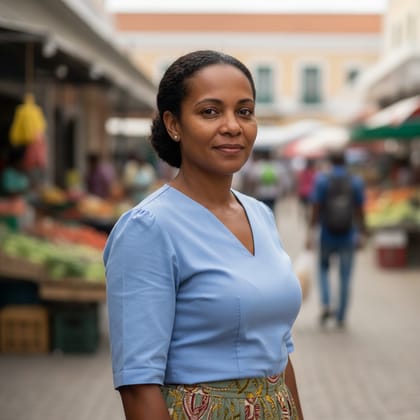
The Lesser Antillean Creoles of Antigua and Barbuda, numbering approximately 96,500 people, are No Longer Unreached. They are described as an Afro-Caribbean creole people of Antigua and Barbuda descended mainly from enslaved Africans and shaped by British colonial influence. Their creole language and shared island culture form a distinctive Eastern Caribbean identity They are an Indigenous people, with Afro-Antiguan as their ethnic/kinship group and are in the Afro-American people cluster of the North American Peoples. They mostly adhere to Folk Catholicism and Antigua and Barbuda Creole English is their primary language.

Photo by Google. (2026). Image generated by Gemini 2.5 Flash: Lesser Antillean Creole

Fast Facts:

Affinity Group: North American Peoples
Country: Antigua and Barbuda
People Cluster: Afro-American
Primary Language(s): Antigua and Barbuda Creole English (aig)
Primary Religion(s): Folk Catholicism
Population: 96,500
Strategic Progress Index (SPI): No Longer Unreached
Global Status of Evangelical Christianity (GSEC): 2% or Greater but Less than 5% Evangelical
People Group ID: PG016187
View on Joshua Project

Pray for the Lesser Antillean Creoles of Antigua and Barbuda

Join others around the world in praying for the lost to be saved, the gospel to advance, the global Church to grow, and for laborers to be sent out and sustained in the harvest.

Dig Deeper (Religion):

Primary Religion: Folk Catholicism
Religious Affiliation: Christianity

70%
%
Folk Catholicism Adherents

Dig Deeper (Language):

Primary Language: Antigua and Barbuda Creole English
Language Family: Indo-European

100%
%
Leeward Caribbean English Creole Speakers

Media Resources in Antigua and Barbuda Creole English:

Films:

No film resources are listed for this language.

Bible Resources in Antigua and Barbuda Creole English:

No Bible resources are listed for this language.

Or check out the Antigua and Barbuda Creole English bible at Bible.com

Linked from YouVersion

SPI: No longer Unreached

The Lesser Antillean Creoles are No Longer Unreached, which means there are more than 2% evangelical Christian populations and there are churches consistent with evangelical faith and practice. There is still more to be done among them.

Next steps for the Lesser Antillean Creoles:
Empower local believers to begin praying for their own people
Continue gospel seed sowing and church planting
Encourage local leaders to being leading church planting strategy and looking for Unreached and Unengaged groups nearby

Pray specifically for the Lesser Antillean Creoles of Antigua and Barbuda

For by him all things were created, in heaven and on earth, visible and invisible, whether thrones or dominions or?rulers?or authorities—all things were created through him and for him.
readColossians 1:16

Pray for those who are lost among them, that they will come to know the One who created all things and holds all things together.

Let the peoples praise you, O God; let all the peoples praise you!
readPsalm 67:3

Pray that God will be working in people's hearts, give them opportunities to receive the gospel, and bring many to faith in Himself.

No unbelief made him waver concerning the promise of God, but he grew strong in his faith as he gave glory to God.
readRomans 4:20

Pray that as people place their faith in Christ, they will not waver but will grow strong in their belief, knowing that the Lord rewards those who seek Him.

And he went away and began to proclaim in the Decapolis how much Jesus had done for him, and everyone marveled.
readMark 5:20

Pray that God will bring people who appear beyond hope to faith in Jesus and that they will then go and tell others of the marvelous things He has done.

Afro-Antiguan Across Countries (ROP3 - 100386) reported in the following countries:

Strategic Progress Index
All

2 people groups

To download a comprehensive people group list in spreadsheet form, visit our Research Data page.

Peoplegroups.org relies on updates from the field and other organizations for much of our data, so if you have any updates, please contact us. We use various international naming standards. For a list of these standards and fields, visit our Data Standards section.

Scroll to Top