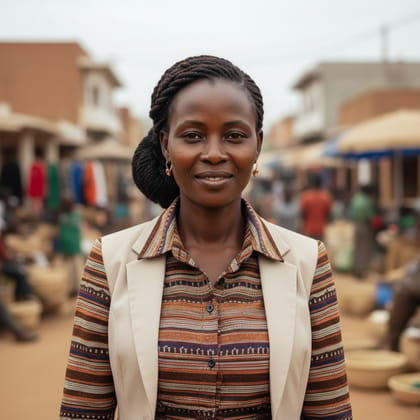
The Dhimba of Angola

The Dhimba of Angola, numbering approximately 29,500 people, are Unengaged and Unreached. They are a semi-nomadic pastoralist people who migrated along the Kunene River in the 1500s-1600s to settle southwestern Angola and Namibia, impoverished by Nama cattle raiders in the mid-1800s and targeted alongside the Herero in Germany's 1904-1908 genocide. They mostly adhere to Ethnoreligion and Zemba is their primary language.

Photo by Google. (2026). Image generated by Gemini 2.5 Flash: Dhimba

Fast Facts:

Affinity Group: Sub-Saharan African Peoples
Country: Angola
People Cluster: Bantu, Central-Southwest
Primary Language(s): Zemba (dhm)
Primary Religion(s): Ethnoreligion
Population: 29,500
Strategic Progress Index (SPI): Unengaged and Unreached
Global Status of Evangelical Christianity (GSEC): Less than 2% Evangelical, No Recent CP Activity
People Group ID: PG015157
View on Joshua Project

Pray for the Dhimba of Angola

Join others around the world in praying for the lost to be saved, the gospel to advance, the global Church to grow, and for laborers to be sent out and sustained in the harvest.

Dig Deeper (Religion):

Primary Religion: Ethnoreligion
Religious Affiliation: Ethnoreligion

—
%
Ethnoreligion Adherents

Dig Deeper (Language):

Primary Language: Zemba
Language Family: Atlantic-Congo

100%
%
Dhimba Speakers

Media Resources in Zemba:

Films:

No film resources are listed for this language.

Bible Resources in Zemba:

No Bible resources are listed for this language.

Or check out the Zemba bible at Bible.com

Linked from YouVersion

Explore Lostness and Next Steps

Unengaged and Unreached

Strategic Priority Index (SPI): Unengaged and Unreached (SPI: 0), which means there are less than 2% evangelical Christian populations among which there are no known efforts focused on establishing self-sustaining churches consistent with evangelical faith and practice.
Lostness Priority Index (LPI): Pioneer Unreached People Group, (LPI: 1), 0.1% or Greater but Less than 0.5% Evangelical.
Global Status of Evangelical Christianity (GSEC): Less than 2% Evangelical, No Recent CP Activity (GSEC: 1), this people group is less than 2% evangelical, some evangelical resources are available, but there has been no active church planting among them within the past two years

Next steps for the Dhimba:
Begin signifcant prayer and fasting for this group
Send cross-cultural teams to discover and research this people group
Begin gospel seed sowing and church planting among this group

Pray specifically for the Dhimba of Angola

While he was coming, the demon threw him to the ground and convulsed him. But Jesus rebuked the unclean spirit and healed the boy, and gave him back to his father.
readLuke 9:42

Pray that those who are living outside of the hope of the gospel will know and trust that Jesus offers freedom from the oppression of sin and hope in eternal life.

Children, obey your parents in the Lord, for this is right. “Honor your father and mother” (this is the first commandment with a promise).
readEphesians 6:1-2

Pray that God will bring young men and women to faith in Jesus and that the fruit of their faith will be a powerful testimony as they honor their parents.

Finally, be strong in the Lord and in the strength of his might. Put on the whole armor of God, that you may be able to stand against the schemes of the devil.
readEphesians 6:10-11

Pray that as people place their faith in Christ, they will grow strong in His power, putting on the full armor of God, which will enable them to stand against the devil’s lies.

Say among the nations, “The LORD reigns! Yes, the world is established; it shall never be moved; he will judge the peoples with equity.”
readPsalm 96:10

Pray for God to put in the hearts of believers to go to the lost and testify about the Lord who reigns.

Dhimba Across Countries (ROP3 - 102579) reported in the following countries:

Strategic Progress Index
All

2 people groups

To download a comprehensive people group list in spreadsheet form, visit our Research Data page.

Peoplegroups.org relies on updates from the field and other organizations for much of our data, so if you have any updates, please contact us. We use various international naming standards. For a list of these standards and fields, visit our Data Standards section.

Scroll to Top