
Dominica (DMA)
People Groups of Dominica:
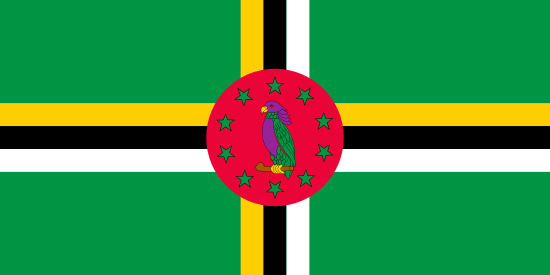
Dominica Fast Facts:
6 People Groups · 75,650 People
| Engagement | Groups | Population |
|---|---|---|
| Unengaged and Unreached | 2 | 800 |
| Engaged yet Unreached | 0 | 0 |
| No Longer Unreached | 4 | 74,850 |
Dominica Realities:
- Weighted GSEC
- 6
- Dying Daily
- 3
- Dying Daily Without Christ
- (66.7%) 2
- Birth Rate per 1,000
- Not Available
- Death Rate per 1,000
- Not Available
People Groups of Dominica
Strategic Progress Index
All
6 people groups
| Photo | People Group ID | Name | Country | Population ▼ | Strategic Progress Index | Language | Religion |
|---|---|---|---|---|---|---|---|
 |
PG016306 | Dominicans | Dominica | 67,500 | No Longer Unreached | English | Folk Catholicism |
 |
PG016311 | West Indian Blacks | Dominica | 4,600 | No Longer Unreached | Virgin Islands Creole English | Folk Catholicism |
 |
PG016307 | Haitians | Dominica | 2,600 | No Longer Unreached | Haitian | Folk Catholicism |
 |
PG050261 | Deaf Dominicans | Dominica | 750 | Unengaged and Unreached | American Sign Language | Unknown |
 |
PG016308 | Han Chinese | Dominica | 150 | No Longer Unreached | Mandarin Chinese | Chinese Folk Religion |
 |
PG016310 | Levantine Arabs | Dominica | 50 | Unengaged and Unreached | Standard Arabic | Sunni Islam |