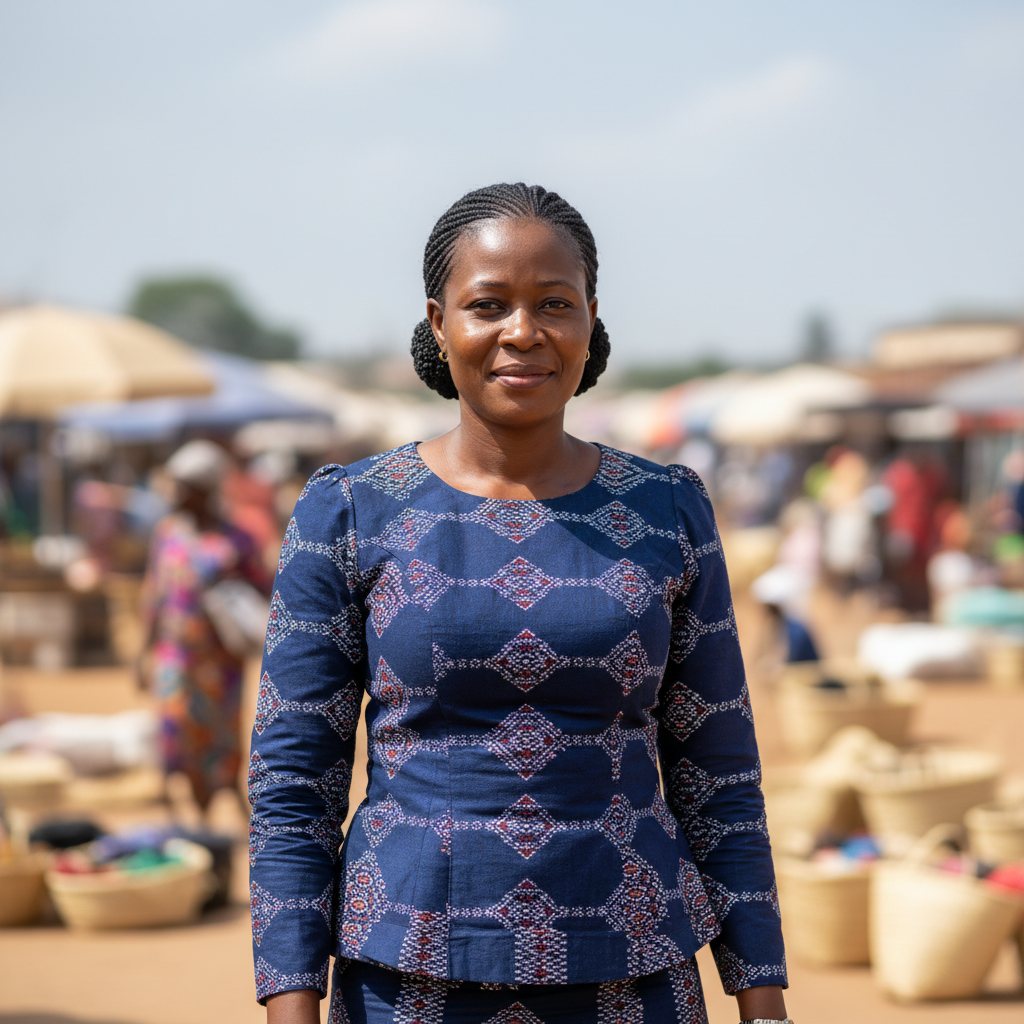
The Bimoba of Togo

The Bimoba of Togo, numbering approximately 486,000 people, are No Longer Unreached. They are an indigenous community of Togo; a dialect subgroup of Moba (mfq) and can also be known as Moba. They are an Indigenous people, in the Gur people cluster of the Sub-Saharan African affinity bloc. Their primary religion is Ethnoreligion - Animism. They primarily speak Moba.

Photo courtesy of Joshua Project. Photo Source: Moimpa Lamboni

Fast Facts:

Affinity Group: Sub-saharan Africa Peoples
Country: Togo
People Cluster: Gur
Primary Language(s): Moba (mfq)
Primary Religion(s): Ethnoreligion - Animism
Population: 486,000
Strategic Progress Index (SPI): No Longer Unreached
Global Status of Evangelical Christianity (GSEC): 2% or Greater but Less than 5% Evangelical
People Group ID: PG014325

Pray for the Bimoba of Togo

Join others around the world in praying for the lost to be saved, the gospel to advance, the global Church to grow, and for laborers to be sent out and sustained in the harvest.

Dig Deeper (Religion):

Primary Religion: Ethnoreligion - Animism
Religious Affiliation: Ethnoreligion

%
Ethnoreligion - Animism Adherents

Dig Deeper (Language):

Primary Language: Moba
Language Family: Niger-Congo

%
Moba Speakers

Bible Resources in Moba:

Next steps for the Bimoba

The Bimoba are Unengaged and Unreached, which means there are less than 2% evangelical Christian populations among which there are no known efforts focused on establishing self-sustaining churches consistent with evangelical faith and practice.

Begin signifcant prayer and fasting for this group
Send cross-cultural teams to discover and research this people group
Begin gospel seed sowing and church planting among this group

Next steps for the Bimoba

The Bimoba are Engaged yet Unreached, which means there are less than 2% evangelical Christian populations but there are sustained efforts at establishing self-sustaining churches consistent with evangelical faith and practice.

Continue prayer and fasting for this group
Continue gospel seed sowing and church planting among this group
Begin training up local leaders to lead and develop strategies to reach their own people

Next steps for the Bimoba

The Bimoba are No Longer Unreached, which means there are more than 2% evangelical Christian populations and there are churches consistent with evangelical faith and practice. There is still more to be done among them.

Empower local believers to begin praying for their own people
Continue gospel seed sowing and church planting among this group
Encourage local leaders to being leading church planting strategy and looking for Unreached and Unengaged groups nearby

Pray specifically for the Bimoba of Togo

For God did not send his Son into the world to condemn the world, but in order that the world might be saved through him.
readJohn 3:17

Pray for those who are living under the burdens of man-made religion to learn about the freedom Jesus offers them and turn to Him in faith.

After this he went out and saw a tax collector named Levi, sitting at the tax booth. And he said to him, “Follow me.” And leaving everything, he rose and followed him.
readLuke 5:27-28

Prat that God will prepare many hearts to meet Him when He says, “Follow Me!” and that they will respond in faith, leaving everything behind to follow Him.

All the ends of the earth shall remember and turn to the LORD, and all the families of the nations shall worship before you.
readPsalm 22:27

Pray that all families of the nations will worship the Lord in spirit and in truth.

And through him to reconcile to himself all things, whether on earth or in heaven, making peace by the blood of his cross.
readColossians 1:20

As believers cross cultures to tell others about Jesus, praise God for allowing them to be a part of His reconciling all things to Himself, asking Him to help them remember their role in His beautiful plan of salvation for others.

Moba, Bimoba reported in the following countries (ROP3):

To download a comprehensive people group list in spreadsheet form, visit our Research Data page.

Peoplegroups.org relies on updates from the field and other organizations for much of our data, so if you have any updates, please contact us. We use various international naming standards. For a list of these standards and fields, visit our Definitions page.

Scroll to Top